
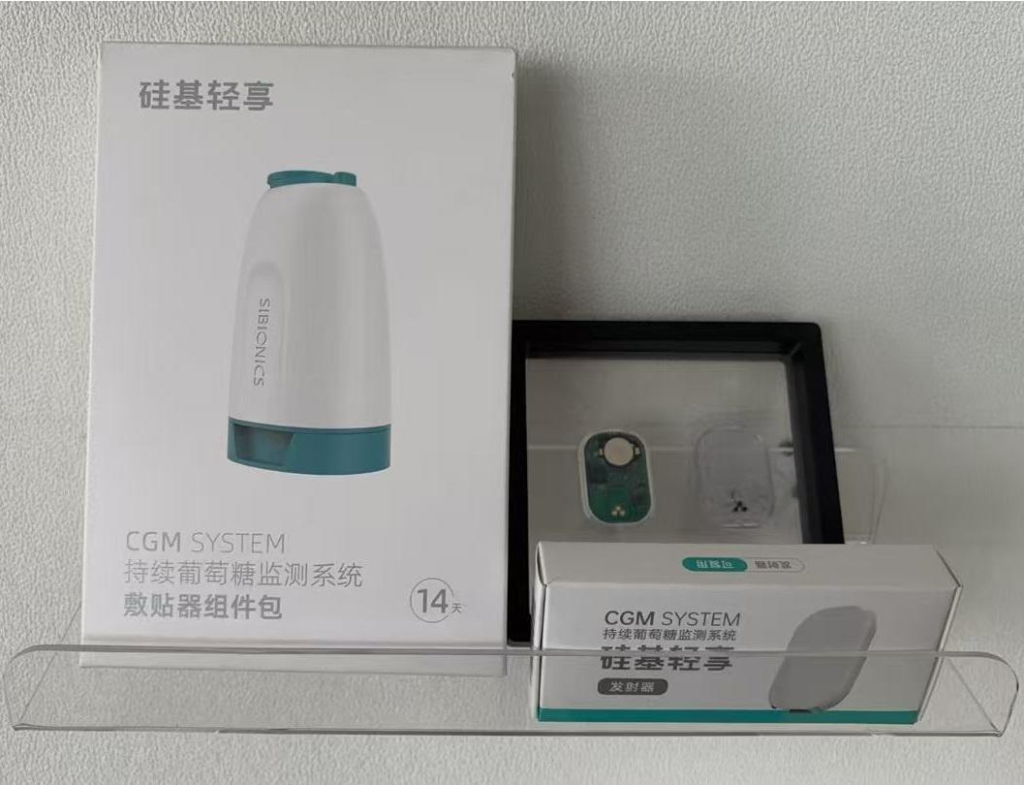
Continuous glucose monitoring products are often described by a wear period such as 10, 14 or 15 days. That number can be useful, but it does not explain the complete replacement schedule. A sensor wear period may differ from the service life of a reusable transmitter, the permitted storage period of an unopened sensor or the time allowed after activation.
This CGM sensor wear time and replacement checklist explains which dates and components to confirm before ordering. It provides general product and compatibility information only and does not replace the current manufacturer instructions or qualified healthcare guidance.
What Does CGM Sensor Wear Time Mean?
Sensor wear time usually means the maximum period stated for one activated wearable sensor or probe under the conditions described by the manufacturer. The counting method can vary. Some instructions count from insertion, while others count from successful activation or the end of a warm-up period.
A stated maximum is not a promise that every sensor will remain suitable for that entire period. Adhesion, skin condition, component damage, connection problems and instructions for early removal can affect actual use. Never extend use beyond the limit stated for the exact model.
Wear Time Is Not the Same as Shelf Life
| Time period | What it describes |
|---|---|
| Wear period | Maximum stated time for one activated sensor or probe |
| Warm-up period | Time after activation before readings are available |
| Transmitter service life | Expected working period of a separate reusable transmitter or emitter |
| Shelf life | Period an unopened component may be stored within specified conditions |
| Use-by or expiration date | Date after which the unopened product should not be activated |
| App support period | Software availability and compatibility, which can change independently |
Check Whether the Transmitter Is Integrated or Reusable
Integrated designs
Some CGM sensors include the communication hardware in each disposable wearable unit. In this design, replacing the sensor also replaces the transmitter component. Confirm the package quantity and whether each unit has its own applicator.
Reusable transmitter or emitter designs
Other systems combine a reusable transmitter or emitter with replaceable sensors or probes. The replacement schedule for these parts can be different. A listing for a probe may not include the reusable component required to operate it.
For example, product imagery for the SIBIONICS Light Edition CGM package states an up-to-14-day probe period and shows a reusable-emitter format. Confirm the exact supplied components and current instructions before purchase.
Seven Questions to Ask Before Buying
- What starts the wear-time clock? Check whether counting begins at insertion, activation or another documented step.
- Is there a warm-up period? Confirm how long it takes before the system displays readings.
- What happens at the end of the period? Review the documented sensor-ending and replacement procedure.
- Is the transmitter reusable? Confirm its separate service life, pairing and charging requirements.
- How many sensors are included? A photo of several boxes may not represent the selected package quantity.
- What storage limits apply? Temperature, humidity, expiration and transport requirements can affect unopened products.
- Does the app support the exact model? Verify phone, operating system, app-store region and account requirements.
How to Compare 14-Day and 15-Day CGM Listings
Do not choose only by subtracting one stated wear period from another. Compare the complete ownership requirements: sensor quantity, transmitter design, applicator, app compatibility, replacement availability, instructions, support and total cost over time.
The Sinocare iCan i3 CGM product imagery shows an app-connected wearable system and dedicated applicator. Review the exact package label and manual for its current wear schedule and regional app requirements.
For the Ottai continuous glucose monitoring system, verify the sensor duration, activation procedure, included components and compatible app rather than relying on a general phrase such as continuous or 24-hour monitoring.
When a Sensor May Need Attention Before the Maximum Period
- The wearable component is loose, damaged or displaced.
- The adhesive no longer keeps the component secure.
- The app reports a sensor or connection error that is not resolved by documented steps.
- The application site develops unexpected irritation.
- The system reaches an automatic end-of-sensor message.
- The manufacturer instructions direct early removal for another reason.
Do not improvise a repair or extend a sensor beyond its documented limit. Follow the official troubleshooting, confirmation and replacement procedure.
Storage and Expiration Checks
Wear duration applies after activation; it does not override storage requirements. Before using a sensor, check the unopened package, expiration date, lot information and any temperature indicator or damage. Store components only within the range stated by the manufacturer. International shipping and travel can introduce heat, cold or humidity exposure, so review handling requirements in advance.
App and Phone Compatibility Can Affect Replacement Planning
A physically compatible sensor is not enough if the required app cannot be installed or paired. Check the official app listing for the destination region and confirm the supported operating-system version. Avoid assuming that a phone will remain supported throughout a reusable transmitter service period.
Use the CGM receiver vs smartphone app checklist and the sensor and transmitter compatibility checklist before ordering.
Frequently Asked Questions
Can I wear a CGM sensor longer than the stated period?
Do not exceed the period permitted for the exact model. Follow the automatic end-of-sensor and removal instructions.
Does a 14-day sensor always provide exactly 14 full days of readings?
It is a maximum stated period under specified conditions. Warm-up time, early removal instructions, adhesion or component issues can affect actual availability.
Is a reusable transmitter replaced with every sensor?
Usually not when it is designed as a separate reusable component, but service-life and pairing rules vary. Check the exact documentation.
Does the expiration date refer to the end of the wear period?
No. An expiration or use-by date normally applies to activation of the unopened sensor. Wear-period counting is a separate instruction.
Are applicators reusable?
Many sensor applicators are single-use, but package designs vary. Follow the disposal and reuse designation for the exact model.
Can I use a sensor if the package was stored outside its temperature range?
Follow manufacturer guidance and do not assume it remains suitable. Contact the seller or manufacturer when storage conditions are uncertain.
Final CGM Replacement Checklist
- Exact model and generation confirmed
- Wear-period starting point understood
- Warm-up period reviewed
- Reusable and disposable components identified
- Package quantity confirmed
- Storage and expiration limits checked
- App and phone compatibility verified
- Replacement and disposal instructions available
Browse glucose monitoring products and read our CGM starter kit vs replacement sensor checklist.
Target keyword: CGM sensor wear time and replacement schedule
Suggested image alt text: CGM sensor wear time and replacement schedule checklist.