
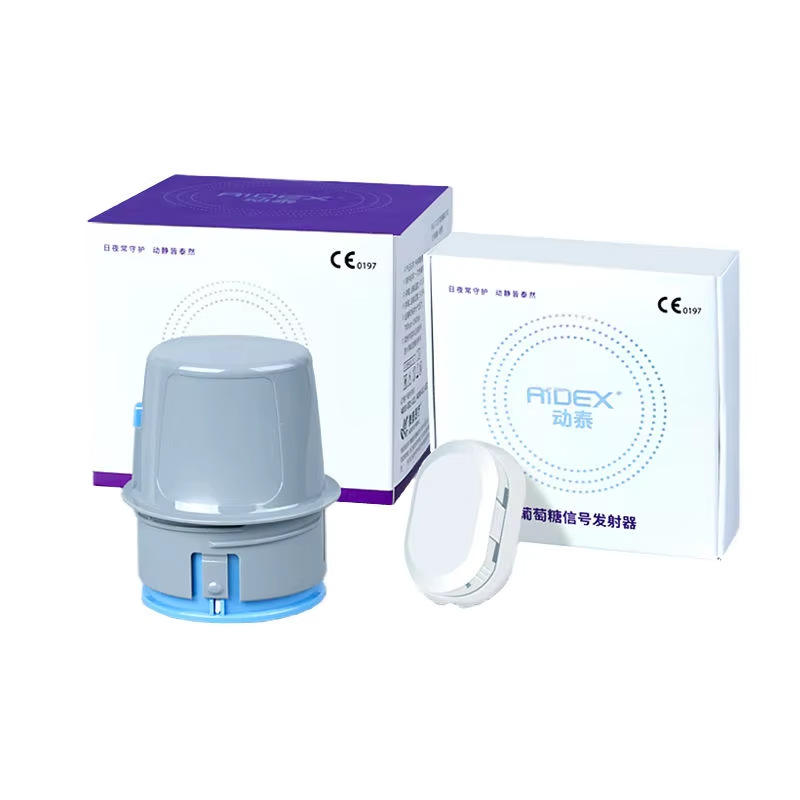
A lancing device and its compatible lancets are separate components from a blood glucose meter and test strips. A lancet that looks similar may not load, lock or eject correctly in another device. This lancing device and lancet compatibility checklist explains what to verify before ordering replacement supplies for a glucose monitoring kit.
This article provides general product information only. Always follow the instructions supplied with the exact lancing device, lancets, meter and test strips.
Identify the Exact Lancing Device
Record the brand, complete model name and generation shown on the device or manual. Do not assume that all lancets sold by the same brand fit every lancing device.
- Check the original lancet reference number.
- Confirm whether the device uses a standard, proprietary, drum or cartridge format.
- Review loading, locking and ejection instructions.
- Check whether alternate-site caps or accessories require specific lancets.
- Confirm whether the device is included in the meter package or sold separately.
Common Lancet Formats
| Format | Compatibility question |
|---|---|
| Single loose lancet | Does the body shape and base fit the exact lancing device? |
| Proprietary lancet | Is it identified for the manufacturer’s specific device model? |
| Drum or cartridge | Does the cartridge model and capacity match the device generation? |
| Safety lancet | Is it a standalone single-use device rather than a refill for a reusable lancing pen? |
The word “universal” should be supported by a clear compatibility list. Visual similarity alone is not enough.
Lancet Gauge and Needle Information
Gauge describes needle diameter, but it does not confirm that a lancet fits a device. Higher and lower gauge numbers represent different diameters, and product labeling practices may vary. Compare gauge, needle design and device compatibility separately.
Do not select a lancet based only on a claim such as “less painful.” User experience varies, and safe use depends on the correct device, depth setting and manufacturer procedure.
Depth Settings Belong to the Lancing Device
Many reusable lancing devices provide numbered depth settings. The numbers are device-specific and are not standardized across brands. Follow the manual for adjustment and start only as directed. Do not transfer a setting number from a different lancing device.
- Confirm the number and range of depth settings.
- Check how the setting is displayed and locked.
- Review whether special caps use different guidance.
- Return settings to a safe condition before storage if instructed.
Single-Use and Sharing Rules
Lancets are generally single-use sharps. Follow the labeling and never reuse a lancet contrary to its instructions. Lancing devices may also be intended for one person only, even if the lancet is replaced.
- Do not share lancets.
- Do not share a personal lancing device unless its manufacturer explicitly permits a validated procedure.
- Keep unused lancets in their original sealed packaging.
- Do not use a lancet if its protective cap or packaging is damaged.
- Dispose of used sharps according to local requirements.
Package Contents to Confirm
Blood glucose meter listings may show a lancing device and lancets in photos, but the quantity can vary. Check the written contents list for:
- lancing device model;
- number and type of lancets;
- test strip quantity;
- control solution, if included;
- alternate-site cap, if applicable;
- carrying case;
- English-language instructions.
Review WongTech’s Bluetooth Blood Glucose Monitoring System and ask for clarification if product photos and written contents differ.
Inspect Lancets Before Use
- Confirm the exact compatible lancet and device.
- Check the protective cap, seal or individual packaging.
- Verify expiration or use-by information where provided.
- Do not use a bent, exposed, contaminated or damaged lancet.
- Load and remove it only as described in the device manual.
- Keep fingers away from the needle tip.
- Place the used lancet directly into an appropriate sharps container.
Storage and Travel Considerations
- Keep unused lancets dry and in their original packaging.
- Protect the lancing device from dirt, moisture and physical damage.
- Do not store loose lancets in pockets or travel bags.
- Review airline, security and destination rules for sharps and medical supplies.
- Carry an appropriate disposal solution for the journey.
- Keep supplies away from children and pets.
For meter and supply packing, see Blood Glucose Meter Travel Case: What to Check Before Buying.
Cleaning the Lancing Device
Cleaning and disinfection methods vary by model and intended use. Follow the exact instructions for permitted products, contact time, drying and areas that must remain dry. Do not immerse the device or use household chemicals unless specifically allowed.
Remove and dispose of the lancet before cleaning if the instructions direct this. Never attempt to clean a lancet for reuse.
Questions to Ask Before Ordering
- What exact lancing device models accept these lancets?
- Are they loose lancets, cartridges or standalone safety lancets?
- What are the gauge and needle specifications?
- How many individually protected lancets are included?
- Are expiration and lot details provided?
- Does the lancing device include adjustable depth settings?
- Is a lancing device included with the meter kit?
- What storage and disposal guidance applies?
Warning Signs in a Listing
- No device compatibility list or reference number
- “Universal” claim without dimensions or supported models
- Unclear distinction between reusable device and single-use safety lancet
- Photos showing quantities different from the description
- Missing packaging, lot or expiration information
- Claims encouraging lancet reuse or sharing
- No sharps-disposal guidance
Frequently Asked Questions
Do all lancets fit all lancing devices?
No. Body shape, base, cartridge design and locking mechanism can differ. Confirm the exact device compatibility.
Does lancet gauge determine compatibility?
No. Gauge describes needle diameter; the lancet body and device interface must also match.
Can a lancet be reused?
Follow the labeling. Lancets are generally intended for single use and should be discarded safely after use.
Can family members share a lancing device if they change the lancet?
Many lancing devices are intended for one person only. Follow the device labeling and do not share unless the manufacturer explicitly permits an appropriate validated process.
Are depth-setting numbers standardized?
No. A setting on one device does not necessarily equal the same depth on another model.
Can loose lancets go into household trash?
Sharps-disposal rules vary by location. Use an appropriate container and follow local official requirements.
Final Compatibility Checklist
- Exact lancing-device model confirmed
- Lancet format and reference number matched
- Gauge and needle details reviewed
- Depth-setting instructions available
- Single-use and no-sharing guidance understood
- Package quantity and seal condition checked
- Storage, cleaning and disposal guidance available
- Travel requirements reviewed when applicable
Browse WongTech’s Glucose Monitoring category and use our Glucose Monitoring Product Compatibility Checklist. Also review the Test Strip Storage Guide, Shipping Information and Return & Refund Policy.
Target keyword: lancing device and lancet compatibility.
Suggested image alt text: “Lancing device and lancet compatibility checklist for glucose meters.”
This article provides general product information and does not replace manufacturer instructions or professional medical advice.