
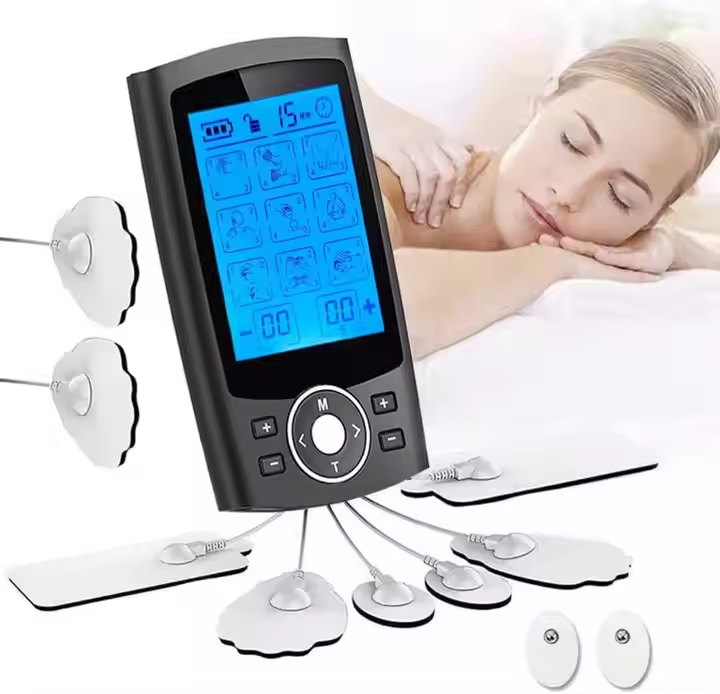
Reusable electrode pads are consumable accessories. Their adhesive surface, connector and lead wire can change with handling, skin oils, dust, moisture and repeated use. This guide explains how to store TENS electrode pads between uses, what to inspect before reconnecting them and when replacement may be appropriate.
The instructions supplied with your pads and stimulator take priority because materials and permitted care methods vary by model. This article provides general product information only.
Why Electrode Pad Care Matters
A pad needs even contact with the permitted skin area and a secure electrical connection to the lead wire. Dirt, folded gel, damaged backing or a loose connector can reduce contact or make output feel inconsistent. Careful handling can help protect a pad during its normal service life, but it cannot make a worn pad permanent or extend it beyond the manufacturer’s stated limits.
Before Removing the Pads
- Turn off the stimulator before touching or disconnecting electrodes.
- Confirm that the session has ended and the intensity is at zero.
- Disconnect the lead wire only as instructed; do not pull on the cable itself.
- Remove a pad slowly from an edge rather than lifting it by the connector or wire.
- Do not apply a pad to damaged, irritated or unapproved skin areas.
How to Handle the Adhesive Surface
Touch the gel surface as little as possible. Hold the pad by its edge or non-adhesive backing. Avoid placing the exposed adhesive on clothing, paper, towels, dusty furniture or another pad. Fibers and debris can become embedded in the gel.
Do not scrape the surface or add household glue, tape, alcohol, lotion or another unapproved substance. If the manufacturer permits a specific cleaning or rehydration method, follow its exact quantity and drying instructions.
Step-by-Step Storage Routine
- Switch off the device. Reduce intensity to zero and disconnect power if instructed.
- Remove each pad carefully. Lift from an edge without pulling the lead wire.
- Inspect the pad. Check the gel, backing, connector and cable for visible damage or contamination.
- Return it to its liner. Place the adhesive side on the original clean plastic liner or the storage surface supplied by the manufacturer.
- Keep pads flat. Avoid folding, creasing or pressing objects onto the gel.
- Seal the package. Use the original resealable pouch or approved storage container to reduce exposure to dust and air.
- Store within the stated range. Follow the manufacturer’s temperature, humidity and sunlight requirements.
- Keep sets organized. Do not mix pads or lead wires from incompatible products.
Where Not to Store Electrode Pads
- In direct sunlight or beside a heater
- Inside a hot vehicle
- In a freezer or an area with condensation
- Loose in a bag with keys, cables or dusty objects
- On paper, fabric or an unclean surface
- Where children or pets can reach them
- Beside liquids that could leak into the connector
Refrigeration is not automatically suitable. Use it only when the product instructions specifically recommend it and state an appropriate temperature range.
Can TENS Electrode Pads Be Cleaned?
Care instructions differ. Some reusable gel pads permit limited surface care, while others should not be washed. Water can damage certain connectors, backings or adhesive layers. Never soak a pad unless the manufacturer explicitly directs you to do so.
If cleaning is permitted, use only the stated method and keep liquid away from electrical connectors. Allow the pad to reach the required condition before returning it to storage or reconnecting it.
Inspect Pads Before Every Use
| Part | What to check |
|---|---|
| Adhesive gel | Dry areas, debris, uneven gel, excessive lifting or loss of contact |
| Pad backing | Tears, folds, cracks, separation or distortion |
| Connector | Loose fit, corrosion, contamination or physical damage |
| Lead wire | Cuts, exposed conductors, sharp bends or intermittent connection |
| Storage liner | Dust, damage or contamination that could transfer to the pad |
| Packaging | Ability to close securely and any stated replacement or use-by information |
Signs That a Pad May Need Replacement
- It no longer stays flat on clean, dry skin.
- The gel is significantly dry, damaged or contaminated.
- The backing or connector is cracked or separated.
- The lead wire does not connect securely.
- Output feels uneven after device and connection checks.
- The pad has exceeded the manufacturer’s stated use or storage limit.
- The pad cannot be cleaned by an approved method.
Stop using damaged accessories. Do not repair an electrode pad or lead wire with household tape or adhesive.
Keep Personal Pads Separate
Reusable pads may be intended for one person only. Label storage pouches when several people own similar devices, and do not share pads unless the manufacturer explicitly permits it and provides an appropriate procedure. Keeping accessories separated also reduces the chance of connecting an incompatible pad or lead wire.
Check Compatibility Before Buying Replacements
Match the stimulator model, connector style, lead-wire design, pad dimensions and manufacturer specifications. A connector that looks similar may not have the correct fit or electrical characteristics.
Read our TENS/EMS Electrode Pads Compatibility Checklist before ordering replacements. You can also review the TENS/EMS Muscle Stimulator – 24 Modes package information and browse WongTech’s Health Devices.
Frequently Asked Questions
Should I leave TENS pads connected to the lead wires during storage?
Follow the product instructions. Some systems permit this, while others direct users to disconnect accessories. If disconnecting, hold the connector rather than pulling the wire.
Can I put TENS pads in the refrigerator?
Only if the manufacturer recommends it and provides a storage temperature. Avoid freezing, condensation and uncontrolled humidity.
Can I wash reusable electrode pads with water?
Not all pads can be washed. Use only the cleaning method specifically stated for the exact pad model, and keep connectors dry unless instructed otherwise.
Can I restore a dry pad with glue or gel?
Do not add household glue, conductive gel or another substance unless the pad manufacturer explicitly approves that method and product.
How many times can a reusable pad be used?
There is no universal number. Service life depends on the product, skin preparation, handling, storage and the manufacturer’s stated limit. Replace a pad when it no longer meets the supplied inspection and contact requirements.
Can two people share the same electrode pads?
Many reusable pads are intended for individual use. Check the product instructions and keep each person’s accessories separately labeled.
Quick Care Checklist
- Device off and intensity at zero before removal
- Pads lifted from the edge, not by the wire
- Adhesive surface touched as little as possible
- Pads inspected for gel, backing and connector damage
- Original liner and resealable pouch used
- Pads stored flat within the stated environmental range
- No unapproved glue, liquid or repair material applied
- Damaged or poorly adhering pads replaced
Final Note
Consistent handling and storage make it easier to assess the condition of reusable electrodes between sessions. Always follow the pad and stimulator manuals, including their placement restrictions, contraindications and replacement guidance. For additional product information, read our TENS/EMS safety and pad placement guide, Shipping Information and Return & Refund Policy.
Target keyword: how to store TENS electrode pads.
Suggested image alt text: “How to store reusable TENS electrode pads between uses.”
This article provides general product information and does not replace manufacturer instructions or professional medical advice.
Check Pad Compatibility Before Reordering
Storage cannot correct an incompatible or damaged accessory. Before reordering, use our TENS electrode pads compatibility checklist, review the lead wire and connector checklist, and compare the package details for the TENS/EMS Muscle Stimulator – 24 Modes.